Burnout Recovery Coach and Workforce Performance Consultant Across the United States


Recover From Burnout Without Sacrificing Success
Helping professionals recover from burnout and helping organizations reduce workplace burnout through sustainable performance strategies that support long-term success.
For Professionals
For Organizations
Consultant • Speaker • Author • Trainer
Trusted Across Healthcare, Behavioral Health & Organizational Leadership
Burnout is No Longer an Individual Problem - It's a Workforce Performance Crisis
High-achieving professionals are exhausted.
Organizations are losing experienced employees faster than they can replace them.
Leaders are being asked to maintain performance inside systems that are no longer sustainable.
Workplace burnout affects...
Employee retention.
Organizational culture.
Leadership capacity.
Healthcare costs.
Productivity.
Long-term workforce stability.
The traditional model of success - pushing harder, working harder, and sacrificing personal well-being is breaking people and weakening organizations.
Sustainable performance requires a different apprach.
Trusted Burnout Recovery & Workforce Performance Expert
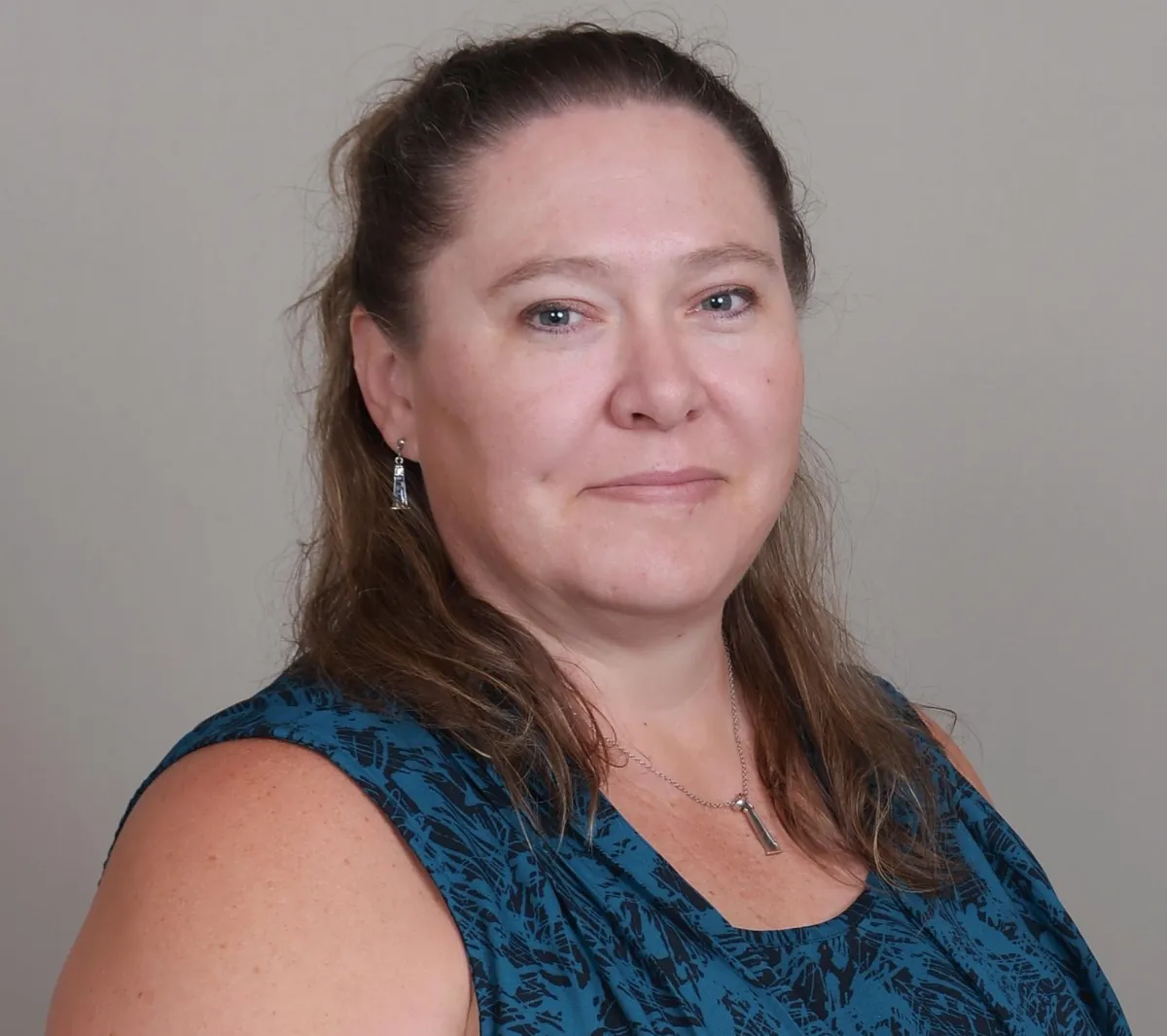
Deidre Gestrin
Consultant, Speaker, Author, & Trainer
With over 20 years specializing in stress, trauma, burnout recovery, and behavioral health leadership, Deidre Gestrin helps professionals and organizations create sustainable performance without sacrificing health, purpose, and people.
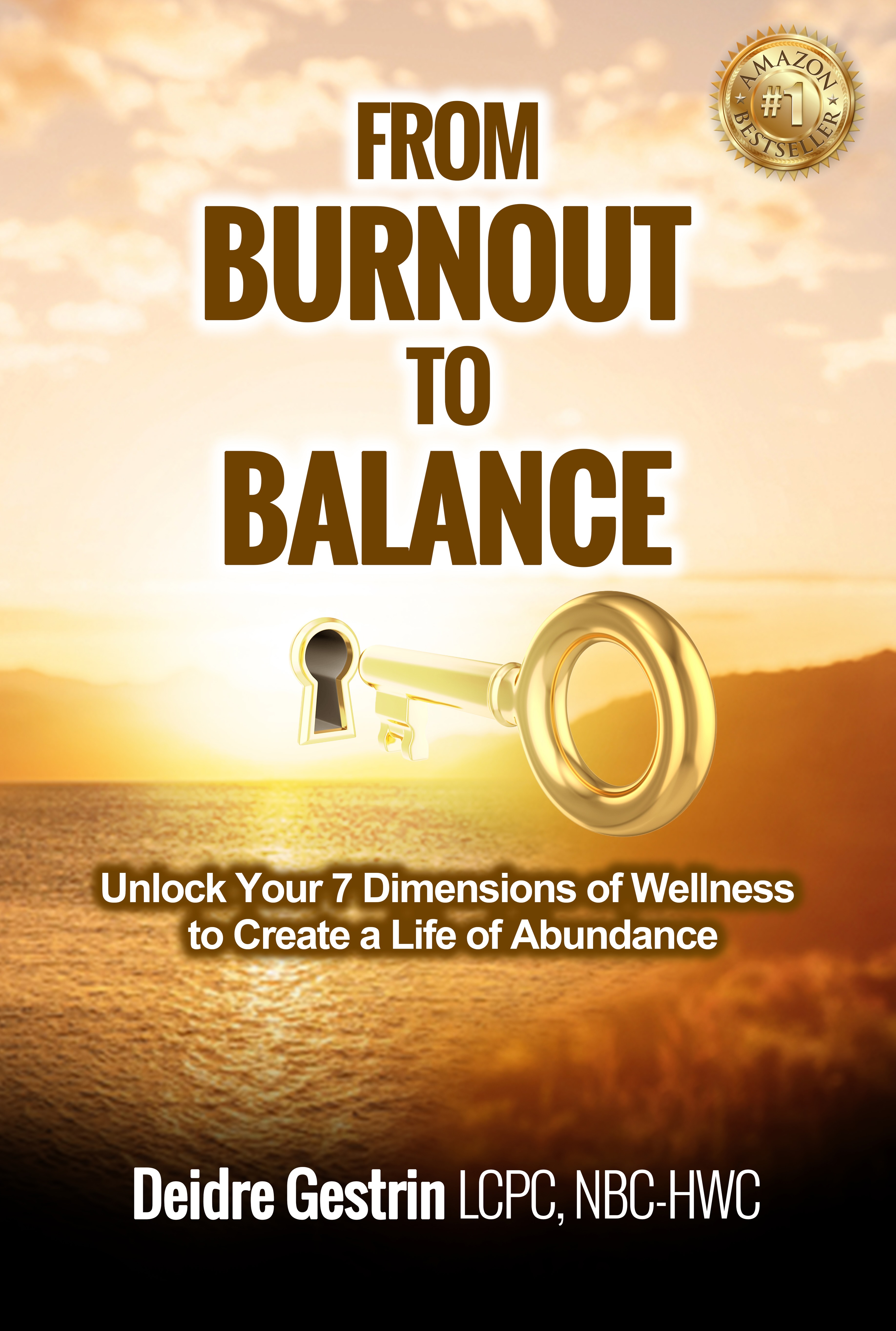
Deidre is also the author of:
From Burnout to Balance: Unlock Your 7 Dimensions of Wellness to Create a Life of Abundance
Trusted Across Clinical and Organizational Settings
Experience includes behavioral health leadership with a focus on developing high-performing teams, strengthening workforce resilience, and enhancing clinical supervision.
Expertise in program design, system optimization, and telehealth enables scalable, efficient care delivery that supports both organizational performance and individual well-being.
Helping Professionals & Organizations Recover, Stabilize, and Perform Sustainbly
Healthcare professionals, executives, entrepreneurs, and high-achievers experiencing burnout, chronic stress, compassion fatigue, emotional exhaustion, loss of purpose, and work-life imbalance.
Healthcare and behavioral health organizations struggling with employee burnout, turnover, disengagement, unstable workforce performance, leadership strain, and rising operational costs.
High Pressure teams seeking healthier workplace culture, stronger communication, sustainable performance systems, leadership resilience, and workforce stability.
Burnout Recovery for High-Achieving Professionals
Burnout doesn't just affect your work.
It affects your energy, focus, relationships, sleep, health, and sense of purpose.

Through the The Sustainable Performance System™, professionals learn how to:
restore energy without stepping away from their career
regulate chronic stress and overwhelm
reconnect with purpose and clarity
create success without sacrificing their health or family
Organizational Burnout Consulting for Sustainable Workforce Performance
Burnout inside organizations leads to higher turnover, disengaged employees, leadership fatigue, increased insurance costs, and operational instability.

Through the The Sustainable Workforce System™, organizations learn how to:
strengthen leadership systems
improve team cohesion & reduce workforce burnout
stabilize operational performance
build healthier workplace culture
Real Results From Professionals & Organizations

"Deidre was able to help me get my clinical spark back!"
Beth Derickson
LCSW | Missouri

"I feel like I’m at a 90% success rate now."
Chris Grad
Business Owner, Entrepreneur | Idaho

"Deidre helped me get to the point where I am today."
Michelle Schmutzler
Psychiatric Tech Worker | Idaho
Sustainable Success Shouldn't Require Self-Sacrifice
Whether you're a professional trying to recover from burnout or an organization working to stabilize workforce performance, sustainable success is possible.
The Sustainable Performance System™
(Burnout Recovery for Professionals)
The Sustainable Workforce System™
(Organizational Consulting)
Don't Miss Out!
Workplace Burnout & Sustainable Performance Resources
Burnout in Leadership: How to Recover Without Quitting Your Purpose
Burnout in Leadership: How to Recover Without Quitting Your Purpose

You Don't Have to Quit to Heal: A Strategic Approach to Burnout Recovery for Leaders
Burnout tends to make people question everything. The fear isn't just exhaustion, it's the haunting idea of having to walk away from work that matters deeply to you.
Many high performers assume relief requires resignation. That belief keeps people stuck longer than burnout itself. But here's what I want you to understand: recovery and calling are not mutually exclusive.
The Hidden Trap That Keeps Leaders Stuck
I hear this constantly from the professionals and high performers I work with: "I know I'm called to do this. I just don't know if I can keep going."
I get it. It's incredibly hard to continue in work you're passionate about when you feel like you can't recover as much as you need to. While I recognize there are times when leaving is the only option, I want us to explore different possibilities first.
"Just leave" isn't necessarily bad advice, but is it the first step or should it be the last step? That's an individual choice you deserve to make from a place of clarity, not desperation.
Understanding the Pattern of Burnout in Leadership
Here's something crucial to understand: burnout follows a pattern, and it's not just about your job title.
I've been burnt out three times in my career, and each time I held a different position with a different job title. The patterns of burnout in high performers have both individual and environmental components:
Individual systems: The personal habits, boundaries, and responses we carry with us
Environmental systems: The workforce structures we're trying to work within
High performers usually take themselves and their habits everywhere. How you function in one environment likely mirrors how you function in another because those patterns reflect who you are, not just the system you're in.
This is why changing environments without changing systems just recreates the problem.
Many people today are leaving their fields to do something completely random because they believe escape brings relief. But escape doesn't bring resolution, it brings temporary relief at best.
The Real Question: Strategy or Courage?
Burnout recovery is more of a strategy issue than a courage issue.
Yes, it takes courage to decide you'll do things differently. It takes courage to examine how you might be contributing to your own burnout. But more importantly, it takes strategy and systems to actually create lasting change.
What Real Recovery from Burnout Actually Requires
If you're wondering what it truly takes to heal from burnout in leadership, here's what the research and my experience working with high performers reveals:
1. Rest (But Not Rest Alone)
Rest is absolutely essential, 100%. But rest alone is insufficient if you're experiencing chronic burnout. Chronic burnout takes significantly longer to recover from than acute stress.
Don't mishear me: rest is important and I'll always include it. But it's not the only cure for burnout.
2. Nervous System Regulation
Recovery truly requires learning to regulate your nervous system. Your nervous system is where your stress response activates. It's your survival mechanism. Without nervous system regulation skills, your body remains in a perpetual state of high alert.
3. Identity Recalibration
Let me share from my own leadership journey. I learned that my attachment style (anxious-avoidant) made me tend to say yes more often. As I recovered, I worked on that pattern and shifted my identity: "It's okay. I don't always have to be there. I don't have to be the yes person. I don't always have to be the reliable one. I can step back."
Sometimes we need to examine where our identity comes from and how we walk it out every day. That recalibration is part of recovering from burnout.
4. Capacity Rebuilding
Sometimes we have to pull back to rebuild capacity. I've worked with leaders holding multiple positions simultaneously. The question becomes: "What can you give up to create more capacity?"
Sometimes we need to return to baseline and release quite a few things so we can come back up with renewed capacity for what we're truly passionate about.
The Truth High Performers Need to Hear
You don't always need to abandon your purpose to recover.
You can stay connected to your purpose. Yes, it might require some shifts and boundaries. It might involve a pause for a period of time. But you can always step back into it.
When we feel we're fulfilling our purpose and we're passionate about it, that actually helps recovery. You don't need to stop sacrificing yourself to fulfill your purpose, you can do both. Maintaining both is important because when you take care of yourself, you can fulfill your purpose even better.
Stepping Back vs. Giving Up: Know the Difference
Stepping back is strategic. It sounds like: "For the next two weeks, I'm going to step back from this project and let them take it."
Quitting is often reactive. It sounds like: "I can't take it anymore, so I'm just going to stop."
One thing to be cautious of: respond to situations strategically rather than reactively.
High performers often confuse endurance with commitment. But if you're burning out, you won't maintain your endurance. You might seem committed, but consider this: Is your purpose about endurance for the long haul? Or pushing so hard right now that you fizzle out and have to react?
Sustainable impact requires protecting your energy.
Recovery Restores Clarity, Not Complacency
Your brain isn't designed to jump from task to task to task. It's designed to focus on one task so you can have complete clarity in your thinking. Recovery restores that clarity.
When you work on identity, capacity, and boundaries, you can stay in your calling and change how you carry it—without abandoning it.
What True Recovery Looks Like When You Stay
Here's what burnout recovery looks like for leaders who choose to stay:
Redesign Your Workload Instead of Abandoning It
Readjust how you do things so you can maintain the energy to continue. Schedule projects according to where you have capacity and bandwidth rather than trying to do everything at once.
Reestablish Boundaries That Support Leadership and Focus
You might have drifted into a boundary-free zone. Sometimes reestablishing just a few boundaries will help you regain your focus.
Rebuild Energy While Contributing
What rebuilds energy is individualized for every person. Common examples include working out, meditation, hiking, or vacations. But think about what works specifically for you.
During the workday, it might be taking short breaks or actually taking your lunch break. High performers tend to ditch lunch to keep working, maybe bringing that back is all you need.
Shift from Over Functioning to Aligned Performance
If you've taken on too many projects or too many hats as a leader, are there ones that don't align with who you are or your purpose? Have conversations about realigning your performance so you're not over functioning.
Remember: progress happens without burning bridges or identities.
The Power of Support in Burnout Recovery
Here's something crucial: support escalates your recovery process.
We don't get well in isolation. Self-recovery tends to keep you stuck in an insight loop, you're trapped within yourself, seeing only what you're feeling.
Burnout can narrow your perspective and options. Having support from family, friends, or coworkers helps you see things you're not seeing that will aid your recovery.
They say it takes a village to raise a child. Well, it takes a village to stay healthy because we're designed to be social. Your support system might help you see something you can't in order to recover while staying in your purpose.
Strategic Guidance Can Shorten the Recovery Curve
If you keep pushing alone, you'll feel like you're hitting a brick wall. When you reach out for strategic guidance and think more strategically, that guidance gets you there quicker. It also provides accountability for making the changes you want.
Here's the reality: You don't necessarily need more information. You need an individualized strategy.
I hear this constantly. People say, "That's all you want me to do, Deidre?" Yes. Because if I give you an elaborate 10-step plan when you're already overloaded, that just adds more burden.
We return to individualized strategies, many of which you already have inside you. They've worked before. We just need to find them and bring them back.
Think of Support as Leverage, Not Failure
Support isn't a failure, it's a leverage point to keep you in your purpose.
If you're struggling to find that support, I want to invite you to book a free consultation. It's 30 minutes, no cost, just a chance for us to talk so I can offer guidance and strategies. This is an opportunity for clarity without commitment, a space to determine in what ways burnout recovery is possible before you decide to walk away.
I've talked with and helped many people at the point of being ready to walk away. The consultation is no pressure, just an assessment where I offer guidance.
This is your chance to clarify what personal direction you need. It's not about an elaborate plan, it's about understanding where you are and identifying one thing that needs to happen.
From Insight to Integration
You can reclaim your energy and confidence. Remember: insight becomes integration when we start with awareness, then add action so it becomes part of your life.
Burnout doesn't mean you chose the wrong path. For the majority of you, you didn't choose the wrong path, it just feels that way right now. It means the path you're on needs some restructuring, some adjustments.
But you don't have to quit to heal.
I want to emphasize again: I know some people do need to leave, and I've been there myself. There are times when it's important. But you don't have to make that your first option.
Start with a consultation, reach out to your support system—whatever works for you.
The work you're called to do should not cost you your health to do it.
As Seen In


© 2026 Abundant Wellness Essentials. All Rights Reserved.