Burnout Recovery Coach and Workforce Performance Consultant Across the United States


Recover From Burnout Without Sacrificing Success
Helping professionals recover from burnout and helping organizations reduce workplace burnout through sustainable performance strategies that support long-term success.
For Professionals
For Organizations
Consultant • Speaker • Author • Trainer
Trusted Across Healthcare, Behavioral Health & Organizational Leadership
Burnout is No Longer an Individual Problem - It's a Workforce Performance Crisis
High-achieving professionals are exhausted.
Organizations are losing experienced employees faster than they can replace them.
Leaders are being asked to maintain performance inside systems that are no longer sustainable.
Workplace burnout affects...
Employee retention.
Organizational culture.
Leadership capacity.
Healthcare costs.
Productivity.
Long-term workforce stability.
The traditional model of success - pushing harder, working harder, and sacrificing personal well-being is breaking people and weakening organizations.
Sustainable performance requires a different apprach.
Trusted Burnout Recovery & Workforce Performance Expert

Deidre Gestrin
Consultant, Speaker, Author, & Trainer
With over 20 years specializing in stress, trauma, burnout recovery, and behavioral health leadership, Deidre Gestrin helps professionals and organizations create sustainable performance without sacrificing health, purpose, and people.
Deidre is also the author of:
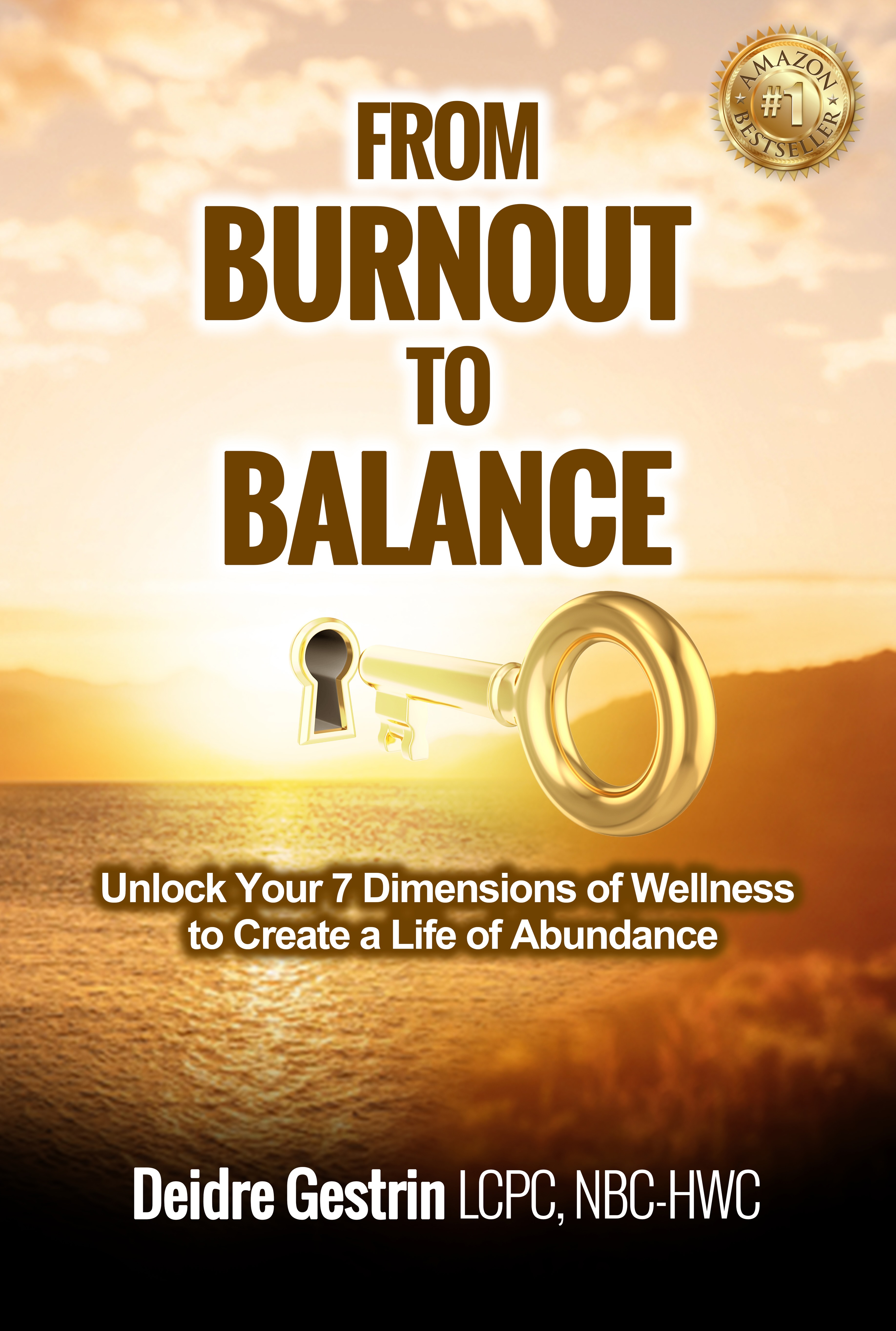
From Burnout to Balance: Unlock Your 7 Dimensions of Wellness to Create a Life of Abundance
Trusted Across Clinical and Organizational Settings
Experience includes behavioral health leadership with a focus on developing high-performing teams, strengthening workforce resilience, and enhancing clinical supervision.
Expertise in program design, system optimization, and telehealth enables scalable, efficient care delivery that supports both organizational performance and individual well-being.
Helping Professionals & Organizations Recover, Stabilize, and Perform Sustainbly
Healthcare professionals, executives, entrepreneurs, and high-achievers experiencing burnout, chronic stress, compassion fatigue, emotional exhaustion, loss of purpose, and work-life imbalance.
Healthcare and behavioral health organizations struggling with employee burnout, turnover, disengagement, unstable workforce performance, leadership strain, and rising operational costs.
High Pressure teams seeking healthier workplace culture, stronger communication, sustainable performance systems, leadership resilience, and workforce stability.
Burnout Recovery for High-Achieving Professionals
Burnout doesn't just affect your work.
It affects your energy, focus, relationships, sleep, health, and sense of purpose.

Through the The Sustainable Performance System™, professionals learn how to:
restore energy without stepping away from their career
regulate chronic stress and overwhelm
reconnect with purpose and clarity
create success without sacrificing their health or family
Organizational Burnout Consulting for Sustainable Workforce Performance
Burnout inside organizations leads to higher turnover, disengaged employees, leadership fatigue, increased insurance costs, and operational instability.

Through the The Sustainable Workforce System™, organizations learn how to:
strengthen leadership systems
improve team cohesion & reduce workforce burnout
stabilize operational performance
build healthier workplace culture
Real Results From Professionals & Organizations

"Deidre was able to help me get my clinical spark back!"
Beth Derickson
LCSW | Missouri

"I feel like I’m at a 90% success rate now."
Chris Grad
Business Owner, Entrepreneur | Idaho

"Deidre helped me get to the point where I am today."
Michelle Schmutzler
Psychiatric Tech Worker | Idaho
Sustainable Success Shouldn't Require Self-Sacrifice
Whether you're a professional trying to recover from burnout or an organization working to stabilize workforce performance, sustainable success is possible.
The Sustainable Performance System™
(Burnout Recovery for Professionals)
The Sustainable Workforce System™
(Organizational Consulting)
Don't Miss Out!
Workplace Burnout & Sustainable Performance Resources
Stop Feeling Emotionally Drained: Build Resilience at Work
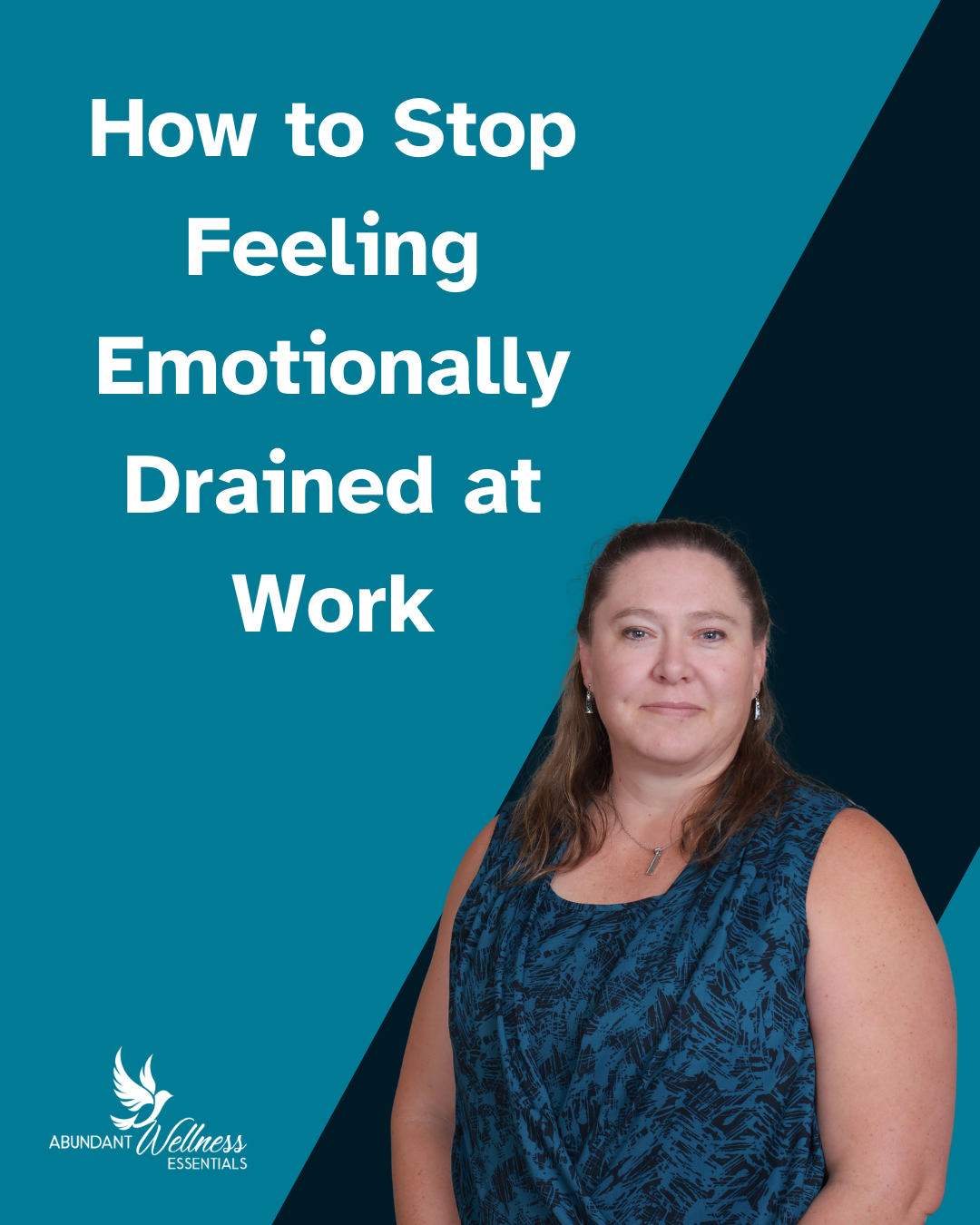
How to Stop Feeling Emotionally Drained at Work
Do you ever find yourself stressing over someone else's struggles? You listen to their problems, offer support, and then realize you're carrying their emotional weight long after the conversation ends. If this sounds familiar, you're not alone and there's a way forward.
Understanding Emotional Resilience
Many people think emotional resilience means becoming harder or less caring. But that's not it at all. Emotional resilience is your ability to empathize without taking on others' emotions as your own. You can understand what someone is going through, maybe you've been there yourself, but that doesn't mean you have to own it or carry it in your body.
The key is learning to support others without absorbing their stress.
Why Some People Drain You More Than Others
Ever notice how certain people leave you feeling completely depleted? There's usually a reason. These individuals often expect you to fix what's broken in their lives or want you to care about their problems as intensely as they do. They might even say things like, "Don't you care about this like I do?"
The truth is, we all care about things to different levels. But the work of solving their problems belongs to them, not you. Those who drain you most are often the ones who want you to do their emotional work for them and you can't. You can guide and support them, but they have to take ownership of their own journey.
Practical Strategies to Stop Absorbing Others' Stress
Take Immediate Breaks
After listening to someone's emotional story or struggles, take a five-minute walk. This is the perfect time to create distance. Getting up and moving helps release the emotions that may have attached themselves to you during the conversation.
Remind Yourself: It's Theirs to Carry
You can be encouraging and supportive without sitting in someone else's emotions all the time. Own the part you have in the interaction, but consciously release what isn't yours. Walking and movement are powerful tools for this release.
The Power of Emotional Detachment
Some people worry that emotionally detaching means losing compassion. It doesn't. Emotional detachment is your ability to distance yourself from others' emotions while still caring deeply.
Think of it as putting up a mental barrier that says, "Whatever emotions you share with me, I'm not going to own and feel as my own." This boundary gives you the ability to protect your peace. It puts the control of managing emotions back on the person who's feeling them, where it belongs. You can support them and even walk them through how to regulate, but they have to do the work themselves.
How to Reset After Brutal Shifts
After a really long, non-stop shift where people have been demanding and expectations have been unrealistic, you need a reset routine.
Nature Therapy
Take a walk in nature or sit at the park for ten minutes. Focus on slow, deep breaths. Nature helps us reground and stay connected to ourselves.
Self-Care That Fills You Up
Engage in activities that genuinely help you feel better and calmer. What works for you might be different from what works for other, honor that.
Social Connection
We handle stressful situations and recover more easily when we engage with our support system. Have fun doing something enjoyable. Go to a comedy show. Laughter is genuinely healing.
When You're Already Emotionally Exhausted
If you're feeling emotionally exhausted, take action immediately:
Use those vacation days you've been saving
Take a mental health day, call in if you need to
Find specific ways to let go of others' emotions, remembering that they're not carrying yours and you don't need to carry theirs
Building Lasting Emotional Resilience
The path forward involves two key practices:
Immediate interventions: Find activities you can do for five minutes after a stressful interaction or story
Daily restoration: Engage in self-care activities at the end of your day or shift
You absolutely can help people without taking it all on. Building emotional resilience isn't about caring less, it's about caring sustainably, so you can continue showing up for others without depleting yourself in the process.

As Seen In


© 2026 Abundant Wellness Essentials. All Rights Reserved.